THE first election in Myanmar in 20 years should not be mistaken as a step towards democracy. The elections, held under the supervision of the military junta and with rules that made it difficult for independent political parties to field candidates, was more like window dressing by an authoritarian regime. Read more »
Protecting The Western Ghats
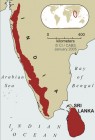
THE Western Ghats, the 1,600-km mountain range that runs from Gujarat to Kerala, is recognised as one of the world’s ten top bio-diversity hotspots with 1,471 species of flowering plants and 403 species of birds. The Western Ghats have come under severe pressure mainly from mining activity. Read more »
How The Government Is Subverting The forest Rights Act
The government of India views MFP rights as a means to curb Naxalism since the states most affected by Naxalism are also home to the maximum number of people dependent on forest produce. These states contribute more than 90 per cent of the MFP trade. Only 1.6 per cent of the 2.9 million claims approved under the Forest Rights Act recognise community rights; the rest recognise individual rights over forest Read more »
Draft Regulatory Framework for Wetlands Conservation
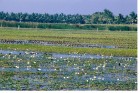
The Ministry has released a draft of the Regulatory Framework for Wetland Conservation for feedback from all stakeholders. The draft framework was prepared by a multi-disciplinary expert group.The date of inviting the comments has been extended to July 31st, 2010. A background note and the draft framework is appended. Read background note and regulatory framework